

A business owners policy, or BOP, can combine useful protections for an eligible business. It is a package with defined terms, not a promise to cover every risk a business faces.
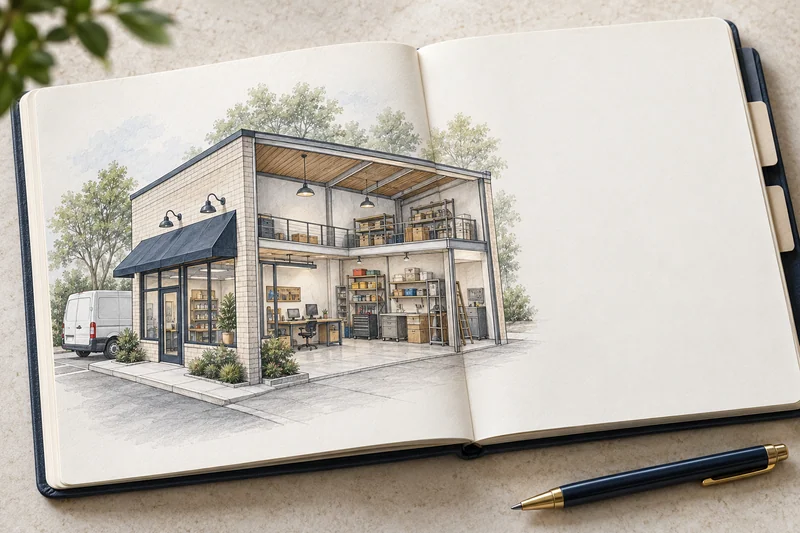
- Operations
- Property
- Responsibilities
Use the guide to prepare questions. Your actual options depend on the policy, insurer, and your circumstances.
The useful takeaways.
- A BOP commonly combines selected property, liability and business income coverage.
- Eligibility and exact protections depend on the policy and business.
- Employee, vehicle, professional and cyber risks deserve separate questions.
In this guide
What a business owners policy brings together
A business owners policy, commonly called a BOP, packages selected protections for an eligible business. Property, general liability, and business income are common starting points. The actual proposal—not the package name—defines the property, activities, limits, and conditions that are insured.
A shop leasing its premises has different needs from a business that owns a building. A service firm working at customer locations has different exposures from a retailer holding inventory. Begin with a description of how the business operates, then check whether the proposed package fits.
Scroll the table to compare all columns.
| Coverage | What to review | Hypothetical question |
|---|---|---|
| Commercial property | Buildings, tenant improvements, equipment and inventory described in the policy. | Would a covered fire include our leased-space improvements and seasonal stock? |
| General liability | Specified third-party injury, property damage and other liability claims. | How would the policy respond to a customer injury claim at our location? |
| Business income & extra expense | Eligible income loss and extra costs after a qualifying insured event. | What starts coverage if a covered fire closes the shop for repairs? |
Property: match the schedule to the business you run
Walk through the premises and list the assets needed to work: shelving, computers, tools, machinery, furniture, and stock. Identify who owns each item. Improvements made to rented space, property away from the premises, and customer property in your care can raise separate questions.
For example, imagine a small retailer that buys extra inventory before a busy season and installs new display cabinets. A renewal based on the old inventory and equipment values may not reflect that change. Tell the agency what changed and ask which limit, valuation method, and endorsements address it.
Ask how replacement cost or actual cash value applies, whether a deductible or special limit changes the settlement, and what records would support a claim. A building limit is not a substitute for understanding the treatment of its contents.
Liability: identify the work, then identify the protection
General liability is a discussion about specified claims involving other people or their property. Describe customer visits, work at client locations, products sold, and other day-to-day activities. Review the insured business description, exclusions, and applicable limits.
Consider a hypothetical service company that starts offering paid design advice in addition to selling products. The business has changed even if its address and name have not. Ask separately about professional liability; do not assume a familiar liability label covers every allegation about the work.
If a client or landlord requests additional-insured status or particular terms, share the actual wording with Lee. A certificate can provide evidence of existing coverage, but it does not rewrite the contract of insurance or add a missing protection.
Business income: ask what triggers it and when it ends
A business interruption is not automatically an insured interruption. Discuss the required cause of loss, any direct-damage requirement, waiting period, restoration period, and the way the amount of insurance is determined. Ask whether extra expense is included and what conditions apply.
Imagine a covered fire that damages a bakery’s ovens. The business may face repair costs, ongoing rent, and lost sales at the same time. Ask how the property and income provisions would work together. A reduction in sales without a qualifying event is a different situation and should not be assumed to trigger the same protection.
Bring realistic information about sales, ongoing expenses, equipment lead times, and alternatives for temporary operations. Ask how long the business could be disrupted before reaching a limit, and how the policy defines the end of the covered recovery period.
What needs a separate coverage discussion
A useful BOP review identifies the boundaries as clearly as the included protections. Depending on the business and proposal, additional policies or endorsements may be needed. Ask which risks are specifically addressed and which remain outside the package.
- Vehicles used for work, including rented or employee-owned vehicles.
- Employees and workers’ compensation obligations.
- Professional services, advice, or errors in specialized work.
- Cyber incidents, information held by the business, and response costs.
- Flood, equipment-related risks, and property away from the insured location.
- Liability limits required by contracts or exposures beyond the package.
Prepare for a useful conversation with Lee
Gather current declarations pages, a plain-language description of operations, locations, equipment and stock values, and any contracts requesting insurance. Note changes since the last review: a new service, a hire, a vehicle, a different location, or a major purchase.
Put three questions beside the premium: What is included? What remains outside the proposal? What would I be responsible for after a loss? Ask the agency to explain unfamiliar provisions before choosing coverage or relying on a certificate.
Lee Edwards works with business owners across Indiana through Nauyokas Insurance Agency, based in Carmel. Call 317-660-1710 or use the business contact option to arrange a review. A quote request or discussion does not put a policy into force.
General insurance education from Nauyokas Insurance Agency. Sources and further reading are listed below. Available coverage, eligibility, costs, and claims depend on the actual policy and circumstances. Hypothetical examples do not determine claim outcomes. This is not a personalized insurance recommendation or legal, tax, or investment advice.
Have a question about your own policy? Talk with the appropriate advisor.